Call 844-295-8035 for a Free Estimate
Asphalt Resurfacing in Columbus, Ohio
Residential and Commercial Asphalt Resurfacing
When asphalt becomes worn, cracked, uneven, or difficult to maintain, complete replacement is not always necessary. Asphalt resurfacing can restore a deteriorated driveway, parking lot, private road, or commercial paved area by installing a new asphalt surface over the existing pavement.
Since 1972, Burden Brothers Paving Company has provided professional asphalt paving, resurfacing, repair, and pavement-maintenance services for residential and commercial properties throughout Columbus and surrounding Ohio communities. Our experienced team evaluates the pavement, identifies underlying problems, and recommends a solution based on the actual condition of the surface and foundation.
Call 844-295-8035 for a Free Estimate
Family-Owned and Operated | Serving Ohio Since 1972 | 50+ Years of Paving Experience | Residential and Commercial Paving
CONTACT US
Call us today, or fill out the form below to request a call back.
What Is Asphalt Resurfacing?
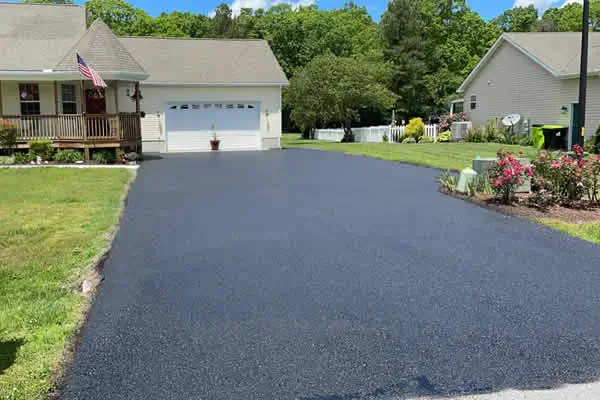
Asphalt resurfacing—also known as an asphalt overlay—involves installing a new layer of hot-mix asphalt over an existing paved surface. Before the overlay is placed, damaged areas may be repaired, low spots may be corrected, edges may be prepared, and portions of the existing pavement may be milled.
The objective is to create a smooth, durable new driving surface while preserving the portions of the existing pavement that remain structurally sound.
Resurfacing may be appropriate for:
- Residential asphalt driveways
- Commercial parking lots
- Private roads and lanes
- Apartment and condominium communities
- HOA roads and common areas
- Churches and schools
- Office and retail properties
- Industrial and warehouse facilities
- Farm lanes and access roads
Every property is different. Burden Brothers Paving inspects the pavement before determining whether resurfacing, localized repairs, milling, or complete replacement is the appropriate solution.
Signs you may need resurfacing
Minor surface wear can sometimes be addressed with crack treatment, patching, or sealcoating. When deterioration becomes widespread, resurfacing may provide a more complete and longer-lasting improvement.
Signs that it may be time to consider asphalt resurfacing include:
Widespread Surface Cracking
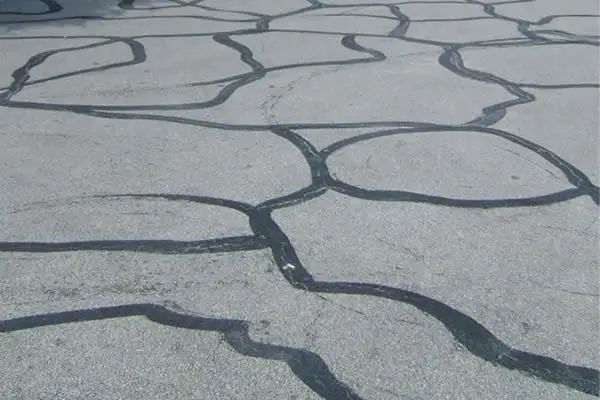
Multiple cracks across a driveway or parking lot can indicate that the upper asphalt layer is deteriorating. Resurfacing may be suitable when the cracking is primarily within the surface and the underlying pavement remains stable.
Repeated Potholes
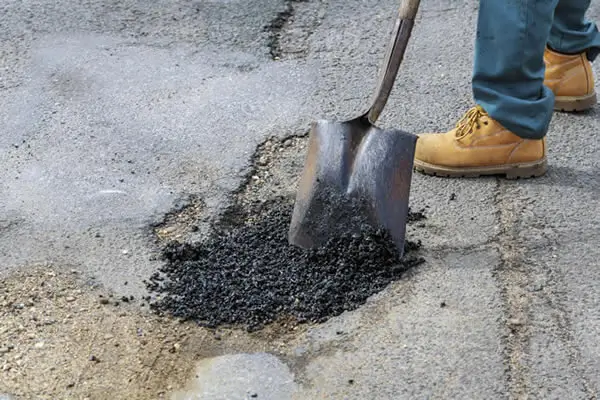
Potholes that continue to develop can make ongoing patching less practical. The failed areas must first be evaluated and repaired before a new asphalt overlay is installed.
Raveling or Loose Aggregate
As asphalt ages, stones and aggregate may begin separating from the surface. This can leave the pavement rough, porous, and increasingly vulnerable to water penetration.
Uneven or Worn Pavement
Traffic, weather, settlement, and repeated use can create worn driving lanes, shallow depressions, rough sections, or uneven transitions. Proper preparation and resurfacing can restore a smoother surface.
Standing Water
Water collecting in low areas may indicate surface settlement or a grading problem. Depending on the cause, portions of the pavement may need to be repaired, milled, or regraded before resurfacing.
A Faded, Aged Appearance
Older asphalt often becomes gray, dry, and weathered. When the deterioration extends beyond normal fading and surface maintenance is no longer sufficient, resurfacing can provide a new, uniform asphalt surface.
What Is Asphalt Resurfacing?
Asphalt resurfacing—also known as an asphalt overlay—involves installing a new layer of hot-mix asphalt over an existing paved surface. Before the overlay is placed, damaged areas may be repaired, low spots may be corrected, edges may be prepared, and portions of the existing pavement may be milled.
The objective is to create a smooth, durable new driving surface while preserving the portions of the existing pavement that remain structurally sound.
Resurfacing may be appropriate for:
- Residential asphalt driveways
- Commercial parking lots
- Private roads and lanes
- Apartment and condominium communities
- HOA roads and common areas
- Churches and schools
- Office and retail properties
- Industrial and warehouse facilities
- Farm lanes and access roads
Every property is different. Burden Brothers Paving inspects the pavement before determining whether resurfacing, localized repairs, milling, or complete replacement is the appropriate solution.
Asphalt Driveway Resurfacing
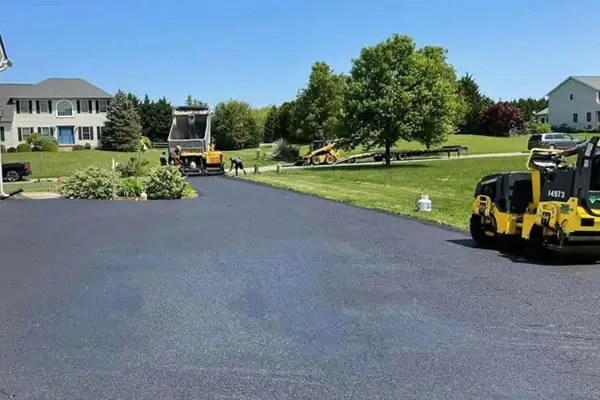
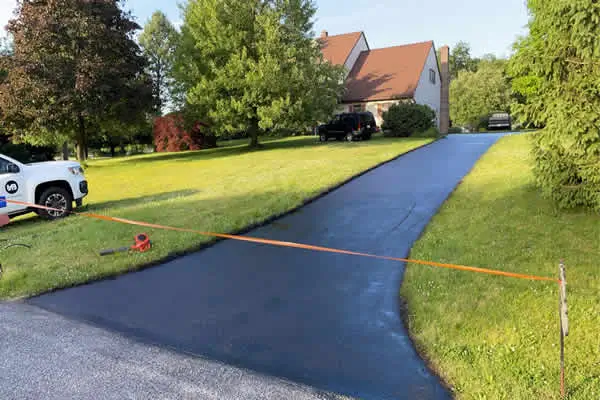
A deteriorated driveway can affect your property’s appearance, drainage, vehicle access, and overall usability. If the driveway foundation remains stable, resurfacing may restore the pavement without requiring complete excavation and reconstruction.
Our driveway resurfacing process may include:
- Inspecting the existing asphalt and foundation
- Identifying cracks, potholes, settlement, and drainage concerns
- Removing loose or failed asphalt
- Repairing unstable sections
- Milling around garages, sidewalks, curbs, or road connections
- Correcting transitions and problem areas
- Applying a bonding material when appropriate
- Installing and compacting the new asphalt surface
- Finishing and compacting the pavement edges
Resurfacing is not appropriate for every driveway. Widespread base failure, severe alligator cracking, major drainage problems, deep settlement, or extensive structural deterioration may require more substantial repairs or complete driveway replacement.
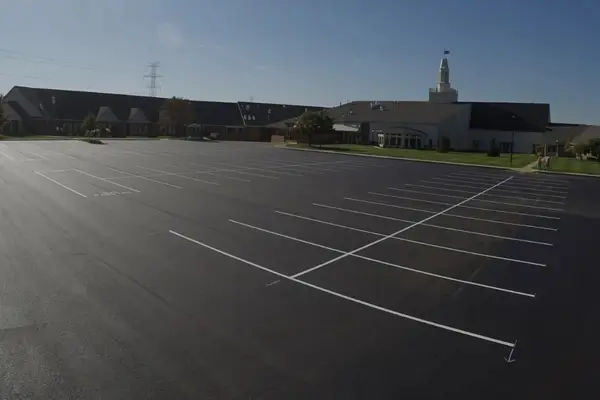
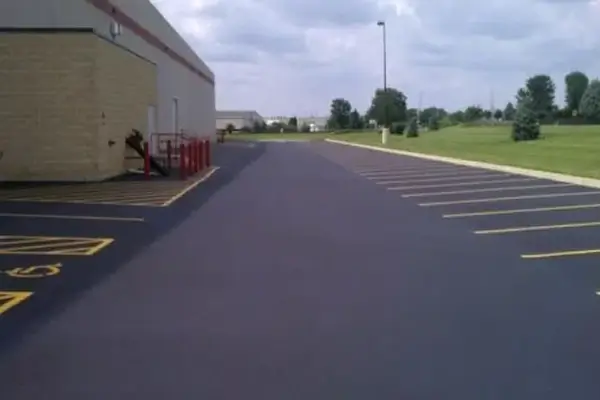
Commercial Parking Lot Resurfacing
A worn parking lot can create an unfavorable first impression and may result in uneven driving surfaces, standing water, potholes, loose pavement, and difficult-to-see parking configurations.
Burden Brothers Paving provides commercial parking lot resurfacing for:
- Retail centers
- Office buildings
- Apartment communities
- Condominium properties
- HOAs
- Churches
- Schools
- Medical and professional offices
- Industrial facilities
- Warehouses
- Restaurants
- Commercial property managers
Our team evaluates traffic patterns, pavement condition, drainage, transitions, entrances, curbs, catch basins, sidewalks, and other site features before recommending a resurfacing plan.
Projects can be organized in phases when appropriate to help commercial properties maintain reasonable access during the work. After the new asphalt has cured sufficiently, parking spaces, directional markings, fire lanes, and accessible areas can be restriped as required for the property.
Our Asphalt Resurfacing Process
Proper preparation is essential to the performance of an asphalt overlay. Simply placing new asphalt over failed pavement can allow existing problems to return.
-
Pavement Inspection
We inspect the current surface for cracking, potholes, settlement, drainage problems, failed patches, edge deterioration, and signs of structural failure.
-
Project Evaluation
Our team determines whether the pavement is a suitable candidate for resurfacing. If the underlying structure has failed, repairs or reconstruction may be recommended instead.
-
Surface Preparation
The pavement is cleaned and prepared so the new asphalt can be installed over a stable surface. Loose debris and unsuitable material must be removed.
-
Asphalt Repairs
Potholes, failed sections, unstable pavement, and other damaged areas may be removed and repaired before the overlay is installed.
-
Milling When Necessary
Asphalt milling removes a controlled depth of existing pavement. Milling may be used to preserve proper elevations around garages, curbs, sidewalks, drains, utility covers, entrances, and adjoining pavement.
-
Tack Coat Application
A tack coat or bonding material may be applied between the existing pavement and the new asphalt layer to help the surfaces bond properly.
-
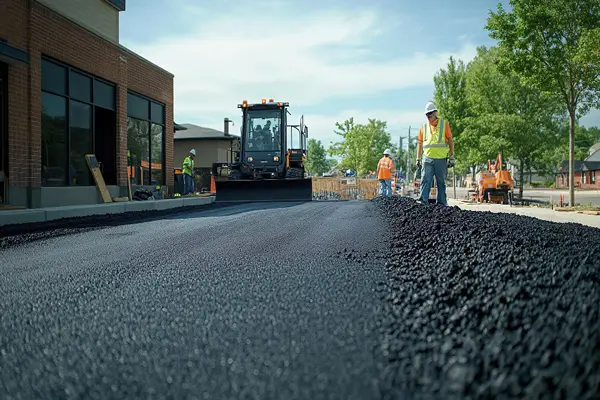
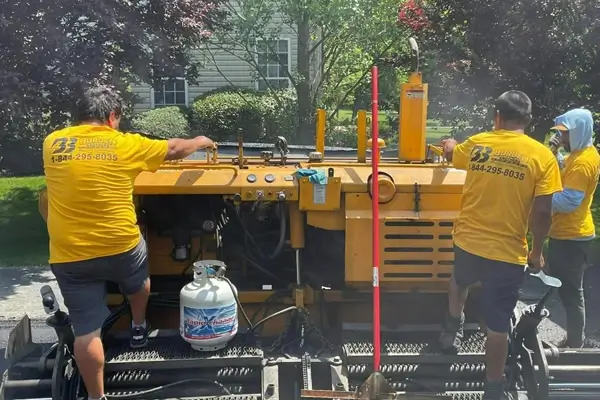
Asphalt Overlay Installation
A new layer of hot-mix asphalt is installed at the appropriate depth for the pavement’s use, condition, and anticipated traffic.
-
Compaction and Finishing
The asphalt is compacted to produce a smooth, dense surface. Edges, transitions, entrances, and adjoining areas are carefully finished.
Asphalt Resurfacing vs. Sealcoating
Sealcoating and resurfacing are different pavement services.
Sealcoating applies a protective coating over an existing asphalt surface. It can improve appearance and help reduce exposure to sunlight, oxidation, moisture, weather, and certain automotive fluids. It does not add a new structural layer or repair failed pavement.
Resurfacing installs a new layer of asphalt over the existing pavement after appropriate preparation and repairs. It is intended for surfaces with more substantial or widespread deterioration.
Sealcoating may be appropriate for pavement that is still in generally good condition. Resurfacing may be the better option when the asphalt surface is too worn or damaged for routine maintenance alone.
Asphalt Resurfacing vs. Replacement
Resurfacing preserves suitable portions of the existing pavement and adds a new asphalt surface. Replacement involves removing the existing pavement and rebuilding the driveway, parking lot, or road.
Resurfacing may be considered when:
- The pavement foundation is generally stable
- Damage is primarily within the asphalt surface
- Cracking is widespread but not caused by extensive base failure
- Drainage and elevation problems can be corrected
- The existing pavement can support an asphalt overlay
Replacement may be necessary when:
- The foundation has failed
- Deep settlement affects large areas
- Extensive alligator cracking is present
- The pavement moves or flexes under traffic
- Drainage has caused severe structural deterioration
- Previous overlays have created elevation problems
- The pavement can no longer support another asphalt layer
An on-site inspection is the most reliable way to determine which option is appropriate.
Asphalt Resurfacing and Milling
Milling is often an important part of a resurfacing project. A milling machine removes a specified depth of existing asphalt while leaving the underlying pavement in place.
Milling may be used to:
- Remove deteriorated surface asphalt
- Maintain proper elevation at entrances
- Create smooth transitions between surfaces
- Prevent asphalt from becoming too high near curbs or sidewalks
- Improve drainage toward catch basins
- Prepare areas around utility covers
- Remove irregular or uneven pavement
- Create a suitable surface for the new overlay
Some projects require full-width milling, while others only require milling at transitions, edges, drains, or specific problem areas.
Benefits of Professional Asphalt Resurfacing
When the existing pavement is a suitable candidate, resurfacing can provide several advantages:
Restores a Smooth Surface
A properly installed overlay creates a new driving and parking surface over worn asphalt.
Improves Property Appearance
Fresh asphalt creates a clean, dark, uniform finish that can improve the curb appeal of residential and commercial properties.
Addresses Widespread Surface Deterioration
Resurfacing treats the overall pavement surface instead of relying solely on numerous individual patches.
Preserves Suitable Existing Pavement
When the foundation remains stable, resurfacing allows usable portions of the existing pavement structure to remain in place.
Improves Pavement Usability
Correcting damaged sections, rough areas, transitions, and certain low spots can improve vehicle and pedestrian access.
Provides a New Maintenance Surface
Once the resurfaced asphalt has cured, an appropriate maintenance program can help protect the new pavement from avoidable deterioration.
Why Choose Burden Brothers Paving?
Serving Ohio Since 1972
The Burden family has more than five decades of asphalt paving experience. We understand the preparation, materials, equipment, and workmanship required for residential and commercial paving projects.
Residential and Commercial Experience
We resurface driveways, parking lots, private roads, commercial properties, apartment communities, HOAs, churches, schools, and other paved areas.
Honest Pavement Evaluations
Not every damaged surface should be resurfaced. We inspect the pavement and explain whether repair, resurfacing, milling, or replacement is the appropriate approach.
Full-Service Asphalt Capabilities
Because we provide paving, milling, repair, resurfacing, sealcoating, and pavement-maintenance services, we can address more than the visible surface.
Local Knowledge
Ohio’s seasonal temperature changes, precipitation, freeze-thaw cycles, traffic, and drainage conditions can all affect pavement. Our recommendations account for the property’s condition and local environment.
Residential and Commercial Service Area
Burden Brothers Paving provides asphalt resurfacing and related paving services in Columbus and communities throughout Central Ohio, with service extending along the Columbus-to-Cleveland corridor.
Service availability depends on the project’s size, location, scope, and scheduling. Contact our team to confirm service for your property.
Request an Asphalt Resurfacing Estimate
Do not continue covering widespread pavement deterioration with temporary repairs without first determining what is causing the damage. Burden Brothers Paving can inspect your driveway, parking lot, private road, or commercial paved area and recommend an appropriate solution.
Whether your property needs localized repairs, asphalt milling, resurfacing, sealcoating, or complete replacement, our team will explain the available options.
Frequently Asked Questions About Asphalt Resurfacing
What is asphalt resurfacing?
Asphalt resurfacing involves installing a new layer of asphalt over an existing paved surface. The existing pavement must first be inspected, prepared, and repaired where necessary.
Is resurfacing the same as repaving?
The terms are sometimes used interchangeably, but resurfacing generally means installing an asphalt overlay while retaining most of the existing pavement. Complete repaving or replacement usually involves removing and rebuilding the pavement.
Can every asphalt driveway be resurfaced?
No. The existing pavement must be stable enough to support the new asphalt layer. Driveways with widespread base failure, major settlement, severe drainage problems, or extensive structural cracking may require reconstruction.
Does asphalt need to be repaired before resurfacing?
Failed areas, potholes, unstable patches, and other significant damage should generally be addressed before the overlay is installed. Otherwise, the existing problems may affect the new surface.
What is milling before resurfacing?
Milling removes a controlled portion of the existing asphalt. It can help correct elevations, remove deteriorated material, improve transitions, and prepare the pavement for a new asphalt layer.
Will resurfacing fix drainage problems?
Resurfacing may correct certain surface drainage issues when proper grading and preparation are included. Serious drainage or foundation problems may require additional corrective work.
Can you resurface commercial parking lots?
Yes. Burden Brothers Paving provides parking lot resurfacing for businesses, offices, retail centers, apartment communities, HOAs, churches, schools, industrial facilities, and other commercial properties.
Can asphalt be resurfaced over potholes?
A new overlay should not simply be placed over unrepaired potholes. Failed areas should be evaluated, removed, and repaired as appropriate before resurfacing.
Is resurfacing better than sealcoating?
The appropriate service depends on the pavement’s condition. Sealcoating protects a generally sound asphalt surface, while resurfacing installs a new asphalt layer over more substantially worn pavement.
How do I know whether I need resurfacing or replacement?
A professional inspection is necessary to evaluate the cracking, foundation, drainage, settlement, pavement thickness, elevations, and overall condition. Burden Brothers Paving can assess the property and recommend an appropriate solution.
Call 844-295-8035 for a Free Estimate